
-
24/7 available services
-
The Department of Medical Gastroenterology & Hepatology at Charak Hospital, Lucknow offers comprehensive diagnosis, medical management, and endoscopic treatment of all digestive system and liver disorders. Our team of DM-qualified gastroenterologists manages conditions ranging from common problems like acidity, IBS, and gallstone disease to complex hepatological emergencies including liver cirrhosis, variceal bleeding, and liver failure.
Hepatology — the sub-speciality within our department — focuses specifically on the liver, bile ducts, gallbladder, and pancreas. It encompasses the full spectrum of liver disease from non-alcoholic fatty liver (NAFLD) and viral hepatitis to cirrhosis, portal hypertension, and liver cancer. Our hepatologists work closely with the Surgical Gastroenterology & HPB team for patients requiring procedural or surgical intervention.

| Condition | Category | Treatment / Management |
|---|---|---|
| GERD / Acid Reflux | Digestive (GI) | Endoscopy, PPI therapy, lifestyle modifications, anti-reflux procedures |
| Irritable Bowel Syndrome (IBS) | Digestive (GI) | Dietary management, antispasmodics, gut-directed therapy, colonoscopy to rule out IBD |
| Inflammatory Bowel Disease (IBD) | Digestive (GI) | Biologic therapy, immunosuppressants, colonoscopy monitoring, MDT management |
| Peptic Ulcer Disease | Digestive (GI) | H. Pylori eradication, endoscopic haemostasis, acid-suppression therapy |
| Pancreatitis (Acute & Chronic) | Digestive (GI) | Endoscopic drainage, ERCP for ductal stones, enzyme replacement, intensive care support |
| Colorectal Polyps & Cancer | Digestive (GI) | Colonoscopy polypectomy, ESD, staging, coordination with oncology |
| Hepatitis B & C (Chronic) | Liver / Hepatology | Antiviral therapy (DAAs / NUCs), viral load monitoring, FibroScan-based fibrosis staging |
| Fatty Liver (NAFLD / NASH) | Liver / Hepatology | FibroScan grading, dietary counselling, weight management, pharmacological therapy |
| Liver Cirrhosis | Liver / Hepatology | Ascites management, variceal banding (EVBL), encephalopathy treatment, transplant evaluation |
| Alcoholic Liver Disease | Liver / Hepatology | Abstinence support, nutritional therapy, steroid therapy for alcoholic hepatitis, cirrhosis care |
| Portal Hypertension & Varices | Liver / Hepatology | Endoscopic variceal band ligation (EVBL), sclerotherapy, beta-blockers, TIPSS referral |
| Autoimmune Liver Disease | Liver / Hepatology | Immunosuppressive therapy (steroids, azathioprine), regular LFT & liver biopsy monitoring |
| Gallstone Disease | Biliary / Pancreatic | ERCP with stone extraction & sphincterotomy; pre-surgical evaluation for laparoscopic cholecystectomy |
| Obstructive Jaundice | Biliary / Pancreatic | ERCP stenting, biliary drainage, EUS-guided biopsy for malignant causes |
| Pancreatic Disease | Biliary / Pancreatic | EUS-guided drainage of pseudocysts, ERCP for ductal disease, Whipple pre-evaluation |
| Liver Abscess & Infections | Biliary / Pancreatic | IV antibiotic/anti-amoebic therapy, ultrasound-guided aspiration, surgical referral if needed |
All endoscopy and biopsy procedures meet national accreditation standards. Our lab provides same-day reports for urgent investigations.
Both our gastroenterologists hold DM / DNB in Gastroenterology from premier institutions, ensuring expert management of complex GI and liver conditions.
Advanced endoscopy suite performing OGD scopy, colonoscopy, ERCP, EUS, and variceal banding — including emergency endoscopy for GI bleeding round the clock.
Our GI team works closely with Surgical Gastroenterology, Radiology, Oncology, and Critical Care for seamless management of complex hepatic and GI cases.
| Doctor | Days | OPD Timings | Endoscopy |
|---|---|---|---|
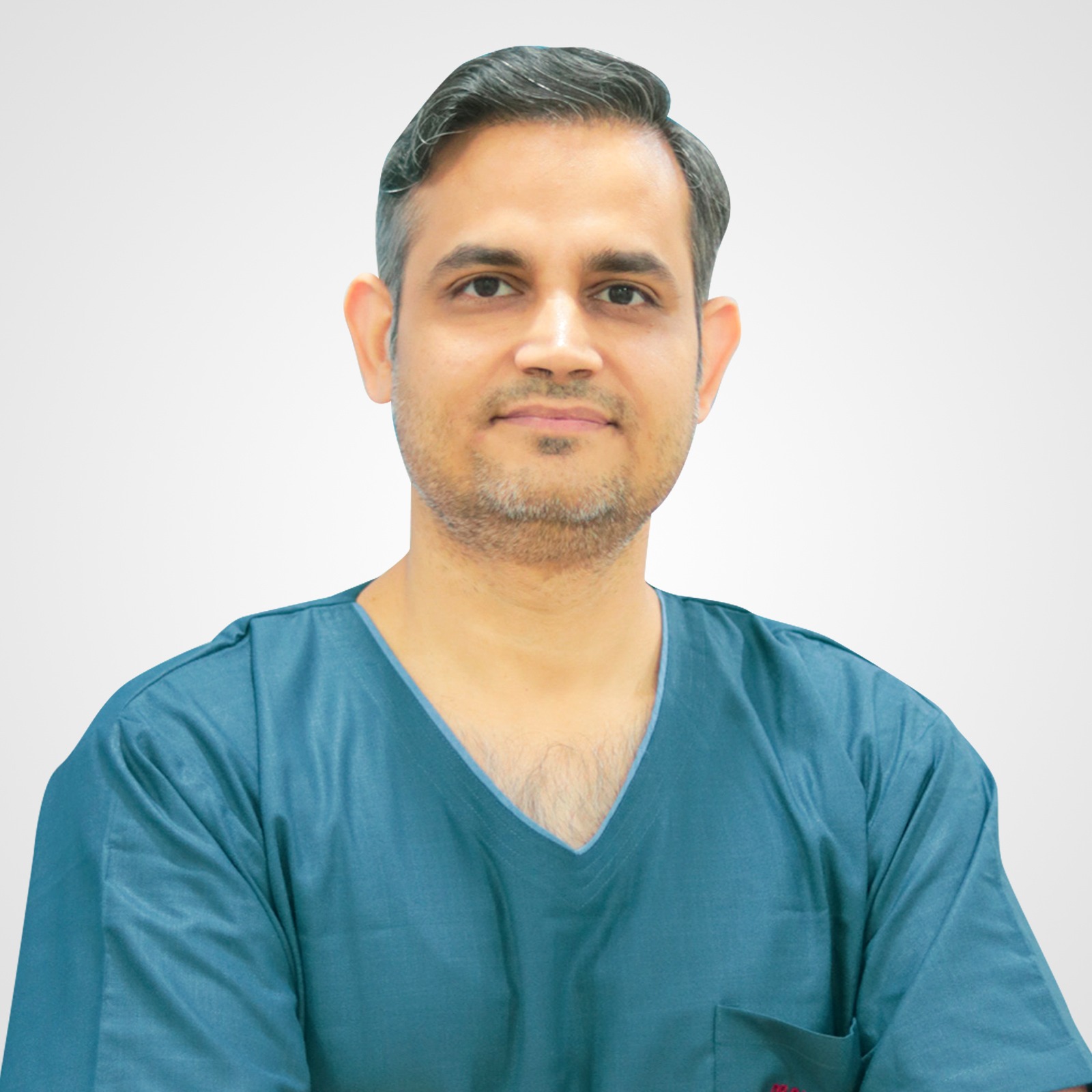
| Dr. Saransh Singh | Mon – Sat | 10:00 AM – 5:00 PM | By Appointment |
| Dr. Mudit Kotwal | Mon – Sat | 10:00 AM – 5:00 PM | By Appointment |
Timings are indicative and subject to change. Call 05226664444 to confirm before visiting.
GI procedures at Charak Hospital are covered under Ayushman Bharat and all major insurance plans. Our insurance desk provides pre-authorisation support.
The Gastroenterology Department, Charak Hospital, Lucknow, specializes in the diagnosis and treatment of diseases related to the digestive system. This includes conditions affecting the esophagus, stomach, small intestine, large intestine (colon), and accessory organs such as the liver, gallbladder, and pancreas. Services typically include upper endoscopy, colonoscopy, treatment for acid reflux, management of inflammatory bowel disease (IBD), liver disease, and pancreatic disorders, among others.
If you experience persistent symptoms such as abdominal pain, bloating, difficulty swallowing, heartburn, acid reflux, unexplained weight loss, persistent diarrhea, or blood in your stool, it may be advisable to consult a gastroenterologist. These symptoms could indicate a variety of conditions that require medical attention.
Diagnosis of gastrointestinal disorders often involves a combination of methods including physical examination, patient history review, blood tests, imaging studies like ultrasound or CT scans, and endoscopic procedures. Endoscopes are medical devices used to visualize the inside of the digestive tract, helping doctors identify ulcers, tumors, inflammation, or other abnormalities.
The treatment options for gastrointestinal diseases depend on the specific condition. They can range from lifestyle changes and dietary modifications to medications, endoscopic interventions, and sometimes surgery. For instance, acid reflux might be managed with antacids or proton pump inhibitors, while severe cases of IBD might require biologic therapies or surgical interventions to remove damaged sections of the bowel.
Hepatology is the branch of medicine that focuses on the study, prevention, diagnosis, and treatment of diseases affecting the liver, gallbladder, biliary tree, and pancreas. The Hepatology Department specializes in managing conditions such as hepatitis (caused by viruses A, B, C, D, and E), cirrhosis, liver cancer, fatty liver disease, and disorders of the gallbladder and bile ducts.
Symptoms that may suggest the need for a consultation with a hepatologist include persistent abdominal pain, especially in the upper right quadrant, jaundice (yellowing of the skin and eyes), fatigue, unexplained weight loss, dark urine, pale stools, and swelling in the legs or abdomen. These symptoms can be indicative of liver disease and should be evaluated by a specialist.
Diagnosis often begins with a thorough medical history and physical examination. Blood tests are commonly used to assess liver function and to screen for viral hepatitis. Imaging studies such as ultrasound, CT scans, or MRI can help visualize the liver and surrounding structures. Biopsies, where a small sample of liver tissue is taken for analysis, can provide definitive information about the liver's condition.
Treatment options vary widely depending on the specific disease. For viral hepatitis, antiviral medications might be prescribed. Lifestyle changes, such as dietary modifications and abstinence from alcohol, are often recommended for patients with fatty liver disease. In cases of advanced liver disease, such as liver failure or certain types of liver cancer, liver transplant may be considered. The Hepatology Department collaborates with other specialists to ensure a comprehensive approach to patient care.